Mini LED vs QLED: Which Is Best for Commercial LED Displays?
Mini LED vs QLED comparison: UnifyLED commercial LED displays outperform QLED with seamless design, superior brightness, and modular maintenance.


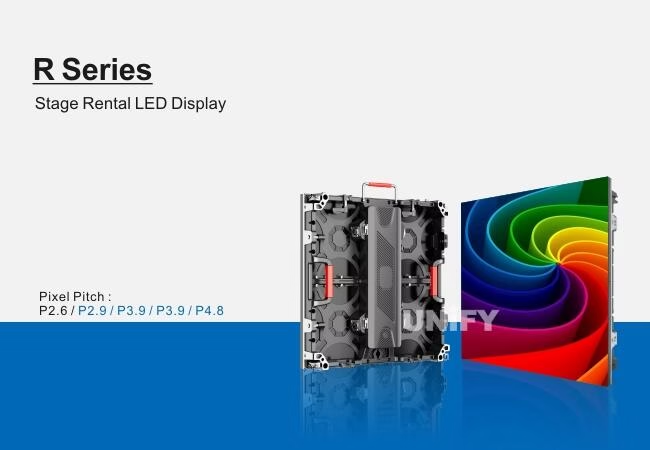
The available pitches for indoor stage screens are P2.6, P2.9, and P3.91.
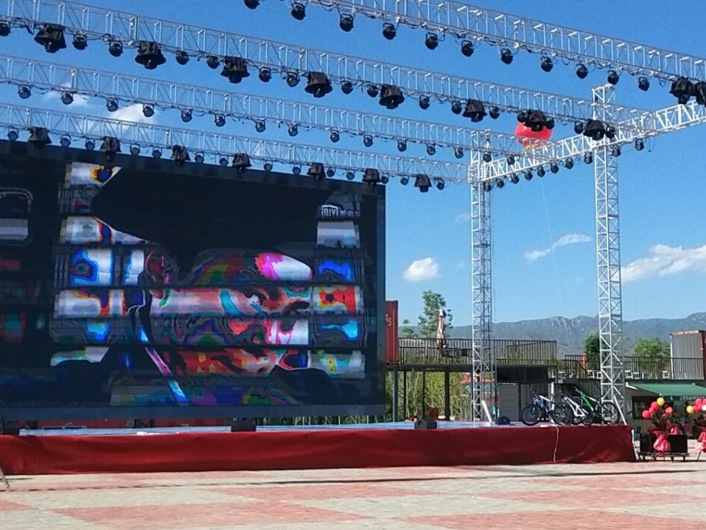
The available pixel pitches for outdoor stage screens are P2.9, P3.91, and P4.81.
The designs of the two screen modules are the same except for the difference in pitch. When the screen pitch needs to be upgraded, the cost can be effectively reduced by replacing the module.
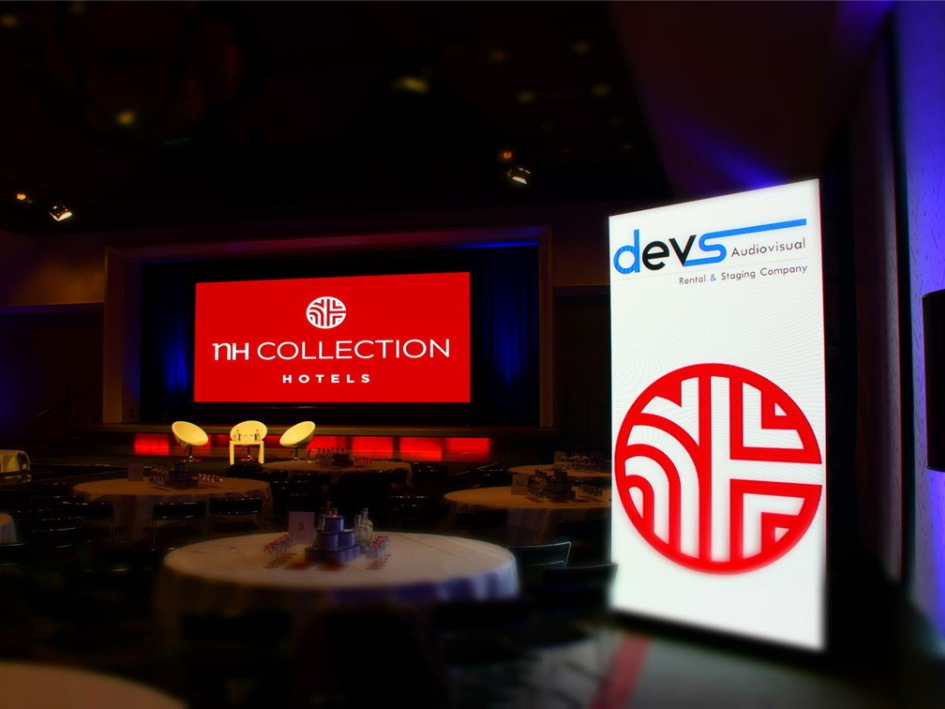
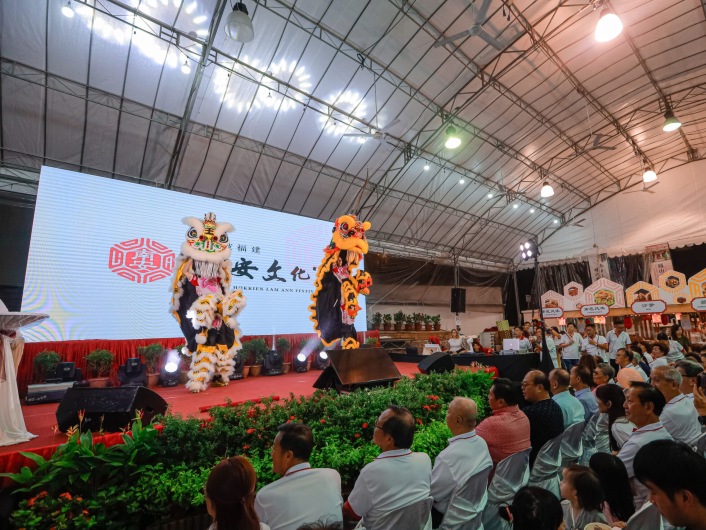
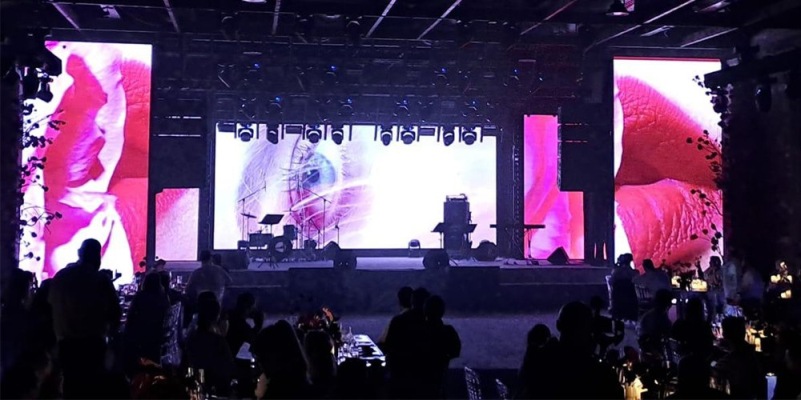
Stage screens are mainly divided into indoor and outdoor types, and are highly customizable and adaptable, enhancing the professionalism and visual effects of the performance.
Both types of stage screens can be quickly built and spliced, and can be synchronously controlled with the sound and lighting system to enhance the sense of technology and visual impact.
A notable feature of stage screens is their quick installation capability.
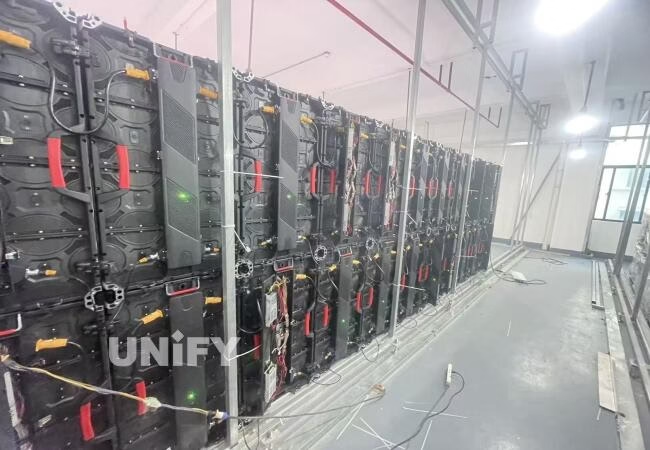
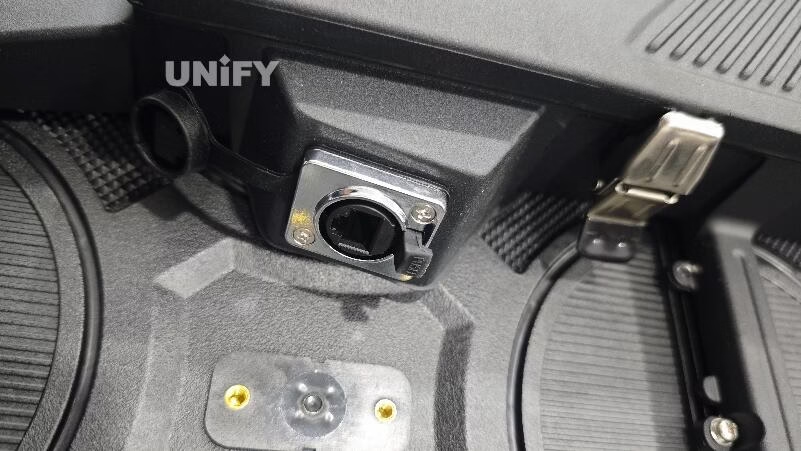
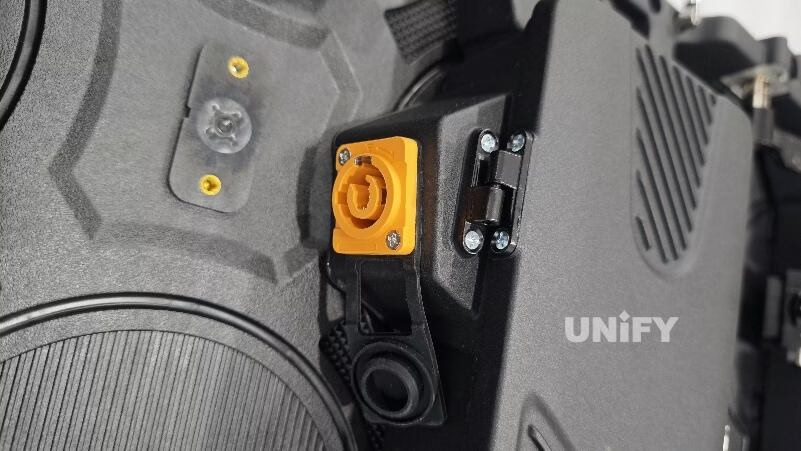
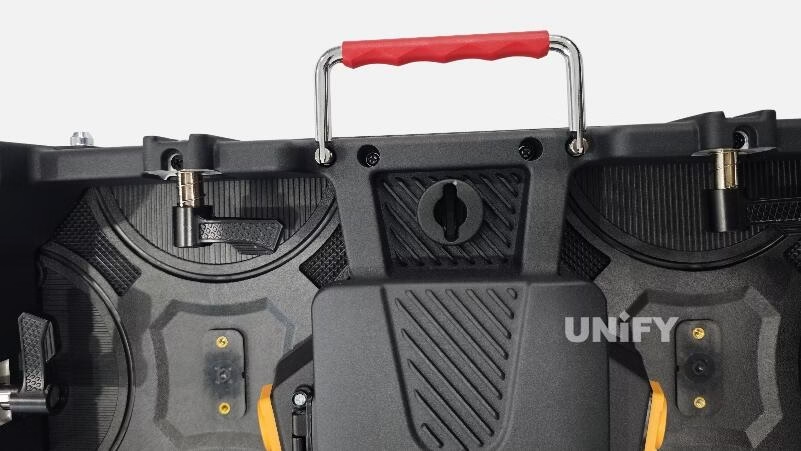
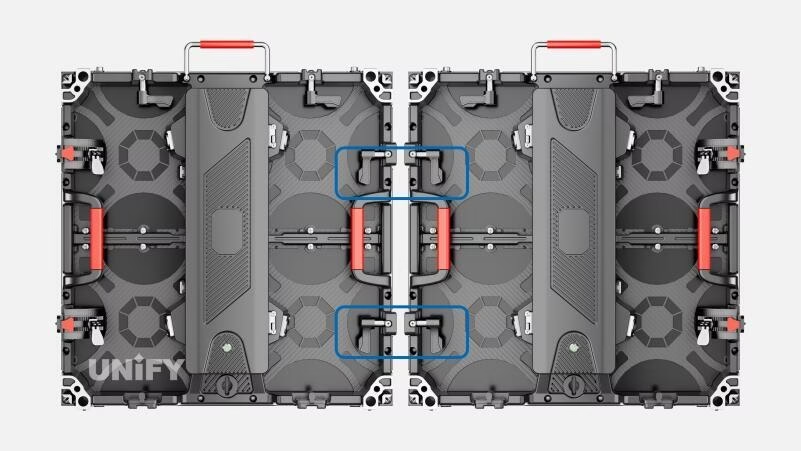
The R series uses quick locks and positioning pins, combined with mold corner protectors, which not only ensures an efficient installation process, but also ensures that the screen connection is smooth and will not be damaged.


Display of Curved Installation Cases for R – Series LED Screens
Unify LED R Series: 88mm ultra-thin rental LED screen for stage& event setups.
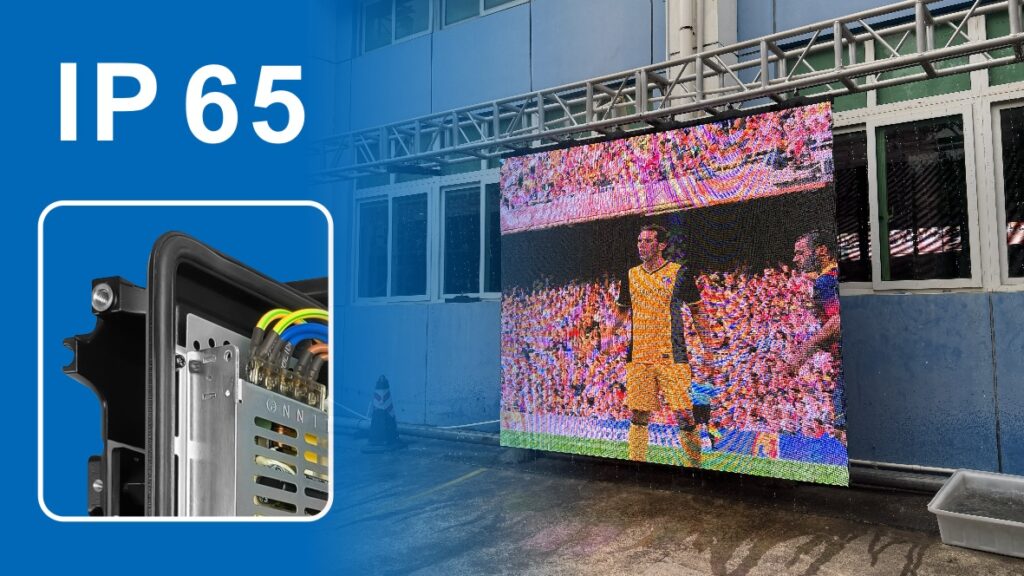
Unify LED R Series: 4500nits outdoor LED billboard (IP65 waterproof).
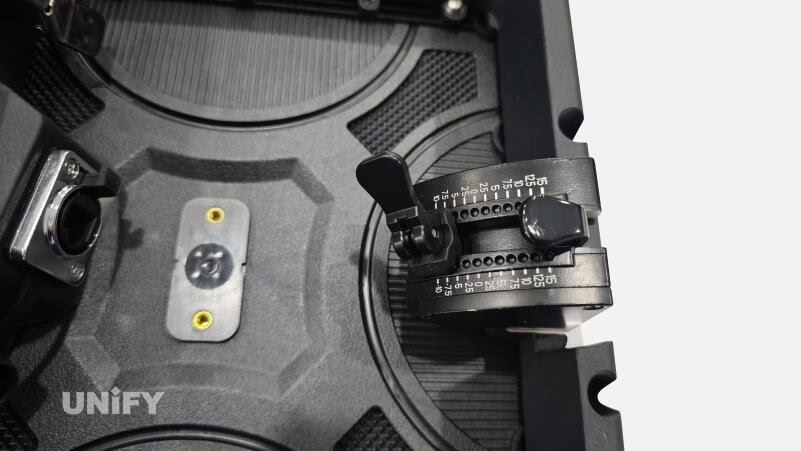
Unify LED R Series: 160° wide-view rental LED with flexible splicing for curved/flat stages
Unify LED R Series: All-in-one rental solution with video processors, flight cases, and 24/7 support.
Unify LED R Series: Wireless hard-connected rental LED with ≥3840Hz refresh rate
| Value | Indoor | Outdoor | |||
| Pixel Pitch | 2.604 | 2.976 | 3.91 | 3.91 | 4.81 |
| Brightness | 1000 | 1000 | 1000 | 4500 | 4500 |
| Pixel Configuration | SMD | SMD | SMD | SMD | SMD |
| Colors | 281trillion | 281trillion | 281trillion | 281trillion | 281trillion |
| Panel Pixel | 192*192 | 168*168 | 128*128 | 128*128 | 104*104 |
| Refresh Rate (HZ) | ≥3840 | ≥3840 | ≥3840 | ≥3840 | ≥3840 |
| Pixel Matrix Per Sq.m | 147456 | 112896 | 65536 | 65536 | 43264 |
| View Angle (H/V) | 140/140 | 140/140 | 140/140 | 140/140 | 140/140 |
| Power Comsuption(max/avg) | 550/200 | 480/170 | 400/150 | 600/200 | 580/180 |
| IP Rate | IP40/20 | IP40/20 | IP40/20 | IP65/43 | IP65/43 |
| Input Voltage (AC) | 110/240 | 110/240 | 110/240 | 110/240 | 110/240 |
| Panel Size(mm) | 500*1000*88 | 500*1000*88 | 500*1000*88 | 500*1000*88 | 500*1000*88 |
| Module Size(mm) | 250*250 | 250*250 | 250*250 | 250*250 | 250*250 |
| Panel Weight(kgs) | 7.2 | 7.2 | 7.2 | 7.5 | 7.5 |

Mini LED vs QLED comparison: UnifyLED commercial LED displays outperform QLED with seamless design, superior brightness, and modular maintenance.

Updated 2026 Ranking: The 15 Biggest LED Screens & Jumbotrons on Earth. Plus, a deep dive into Common Cathode tech, GOB protection, and stadium display costs.

Explore the 2026 giant led display guide. Compare giant led screen cost, price, and rental ROI. From panels to advertising, get factory-direct insights from UnifyLED.

Our guide reveals the true stage LED screen price in 2026, covering turnkey costs, hidden fees, and rental ROI.
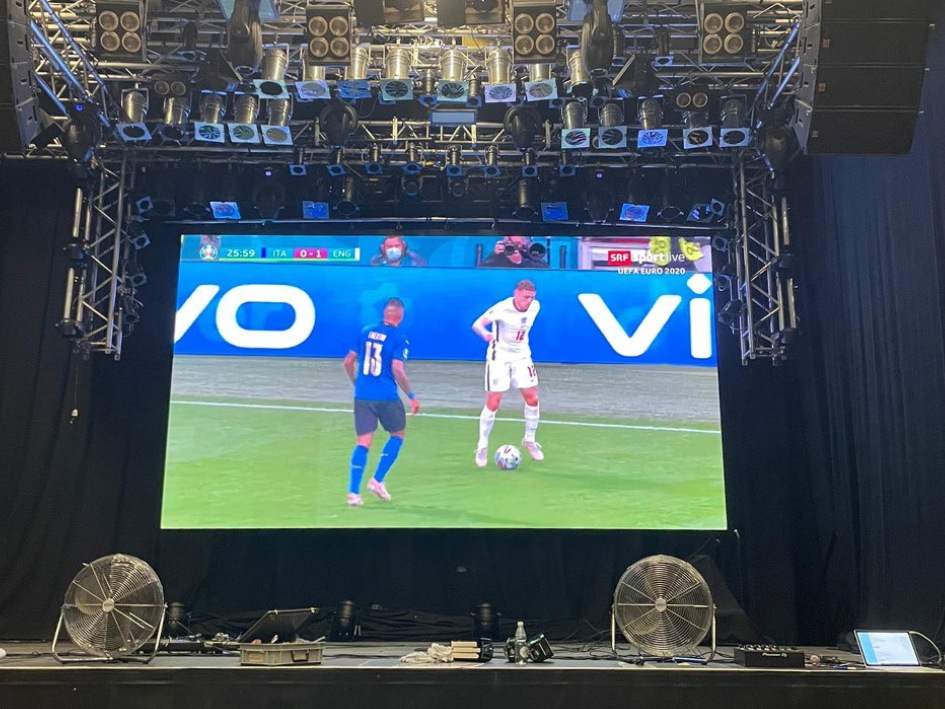
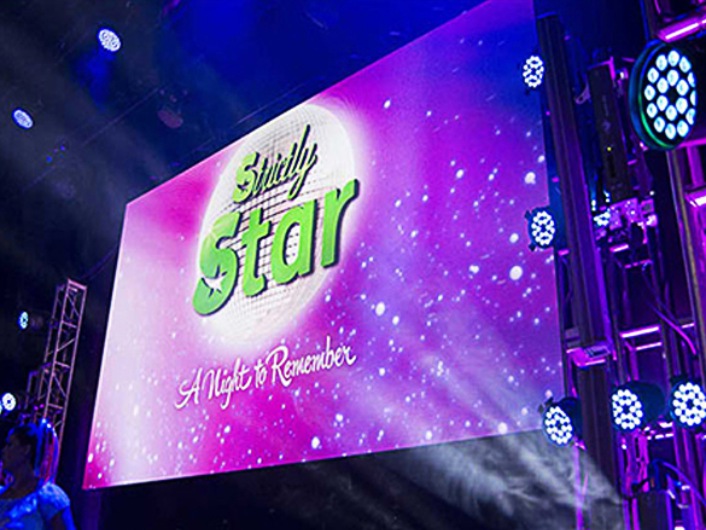
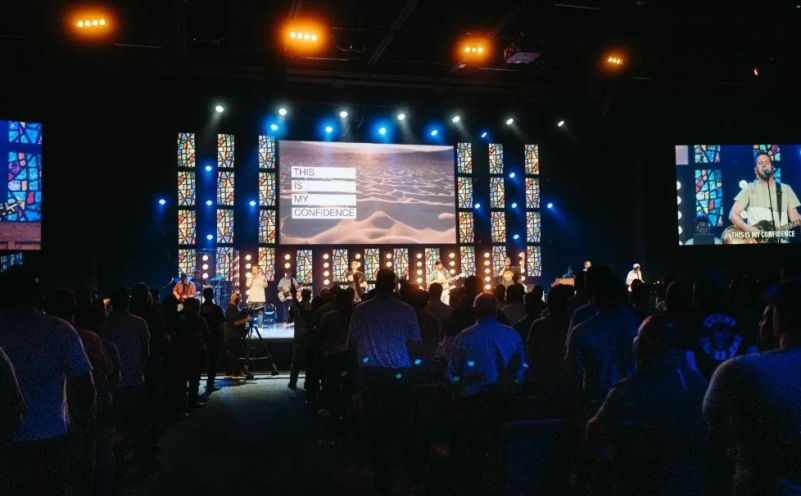
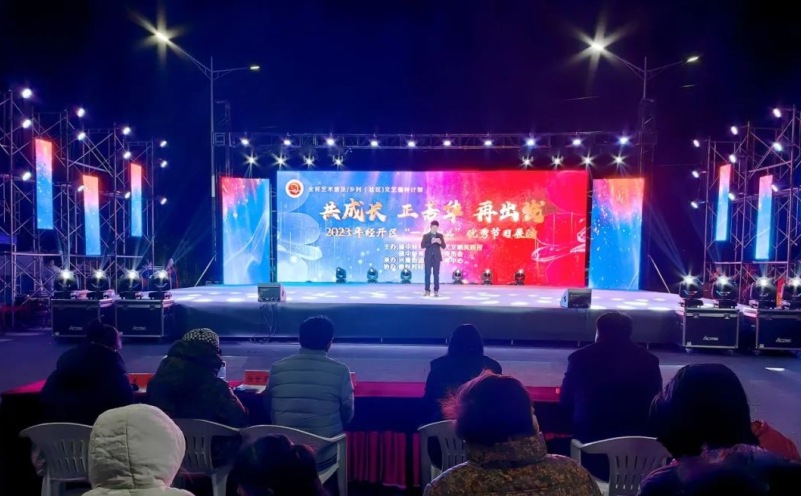
Stage screen is an LED display system designed for stage scenes such as concerts, press conferences, tours, and cultural performances.
It is not only the core equipment for visual presentation, but also a key element for creating a live atmosphere and enhancing the audience’s sense of immersion.
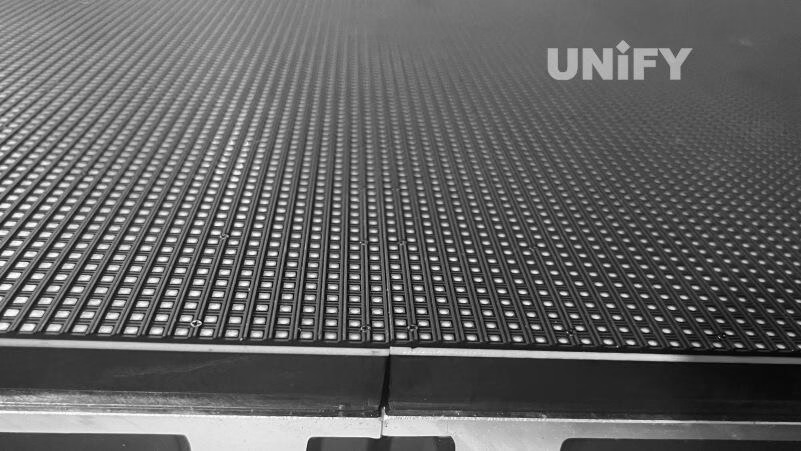
Compared with traditional LED screens, stage screens have higher brightness, refresh rate and color reproduction capabilities,
can achieve large-size seamless splicing, and support high-definition video, dynamic special effects and real-time interactive content playback.
In the stage structure, stage screens are usually divided into different roles such as main screen, sub-screen, floor tile screen, special-shaped screen, etc.
It can work in coordination with lighting, sound, special effects and other systems to create a multi-dimensional audio-visual experience.
In modern stage design, LED stage screens are no longer just “backgrounds”,it is more like a part of the stage – it can participate in the plot, generate virtual space, display live images, and even achieve immersive visual effects such as naked-eye 3D and XR stage.
Whether it is a shocking concert, an immersive press conference, or a creative and varied performance scene,
the stage LED screen is always the strongest visual anchor in the audience’s memory.
On stage, LED screens are never “optional”.It carries the rhythm of lights, music emotions and audience emotions, and is the “atmosphere” of the entire performance.
But what kind of LED screen can be called “stage-level”?
The following 7 core dimensions are the key to determining whether a screen can really handle stage tasks.
The stage project has a very fast pace, and LED screens are often the last to enter and the first to go online.
This means that the screen must support fast construction and efficient disassembly, without any delay.
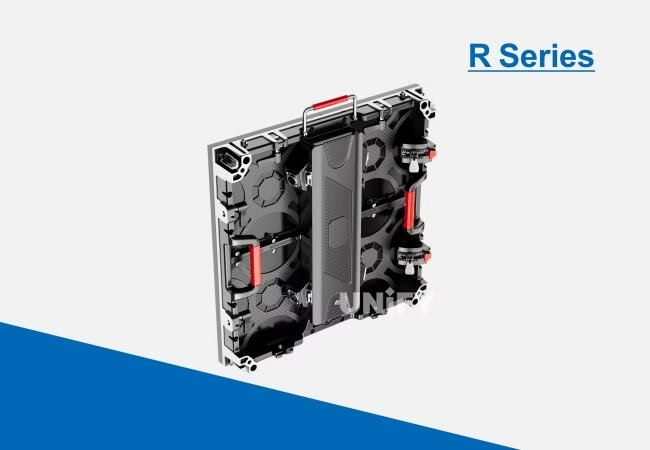
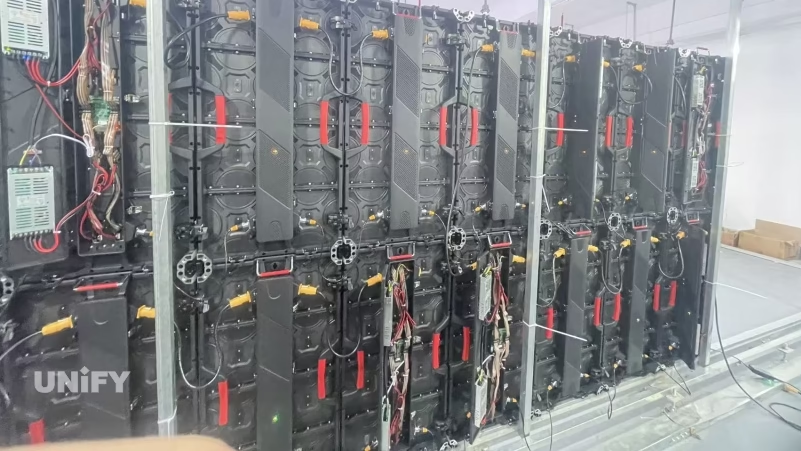
The R series adopts an integrated quick lock structure, which can be spliced by one person without tools.
Single box installation takes only 5 seconds, and the efficiency of the whole screen construction is doubled.
For project teams with multiple switching and intensive touring, this means “fighting for one more opportunity to rehearse”.
The stage scene has complex lighting and frequent switching, which places extremely high requirements on the brightness, refresh rate and grayscale of the LED screen.
A high-quality screen must be flicker-free and non-stuttering under a high-definition camera.
The R series has a high brightness of 4500\~6000nit, which is clearly visible even under strong light reflection;
The 3840Hz high refresh rate + high grayscale processing ensures that the dynamic image is rich in details, smooth and natural, and adapts to various live broadcasting needs.
“Quick installation” is only the first step, and “easy to move” can improve the efficiency of the whole process.
For the rental team, the convenience of transportation, loading and handling directly affects the project cost.
The R series uses a die-cast aluminum lightweight box, and a single box is only 11\~13kg, which can be carried by one person;
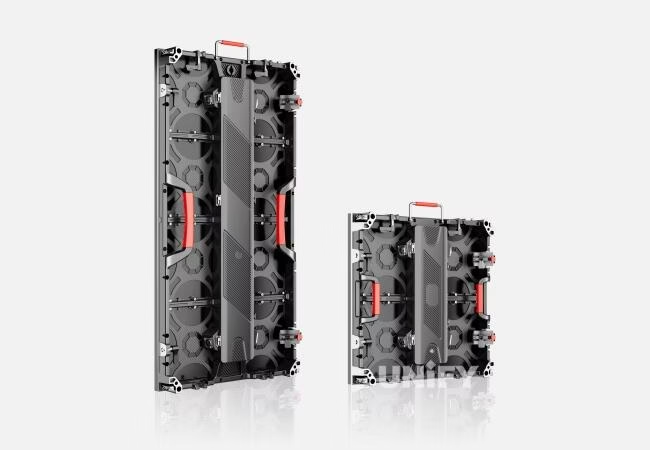
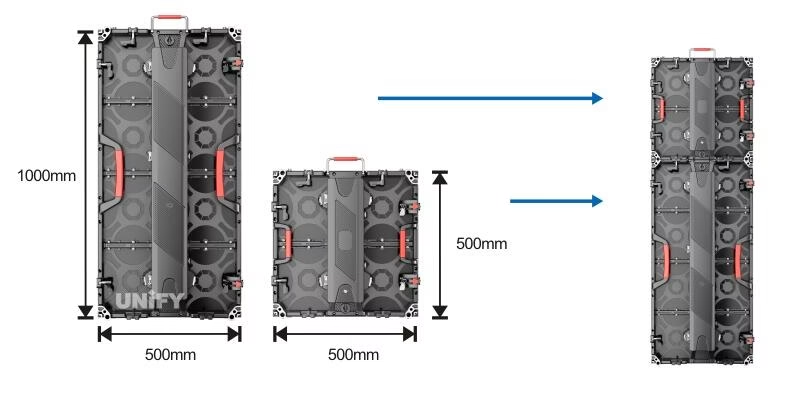
It provides 500×500mm and 500×1000mm two specifications, which are suitable for large-screen fast splicing and flexible combination of special shapes.
From warehouse to landing, the whole link is lighter.
T stage? Corner? Ring? Three-dimensional? The creativity of the stage is changing, and the LED screen must also be “transformable”.
The R series supports corner splicing, inner and outer arc splicing, and seamless connection up and down, left and right.
Whether it is a three-dimensional background, stage edging, or a curved screen, one set of screens can handle it.
The standardized interface design also makes cross-project switching more efficient, without repeated debugging.
It is not terrible to have problems during the performance, but it is terrible to be unable to handle them quickly, affecting the progress of the whole show.
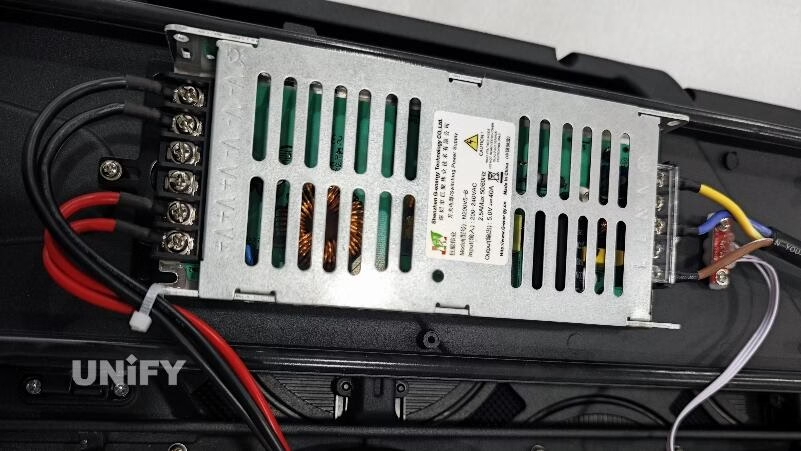
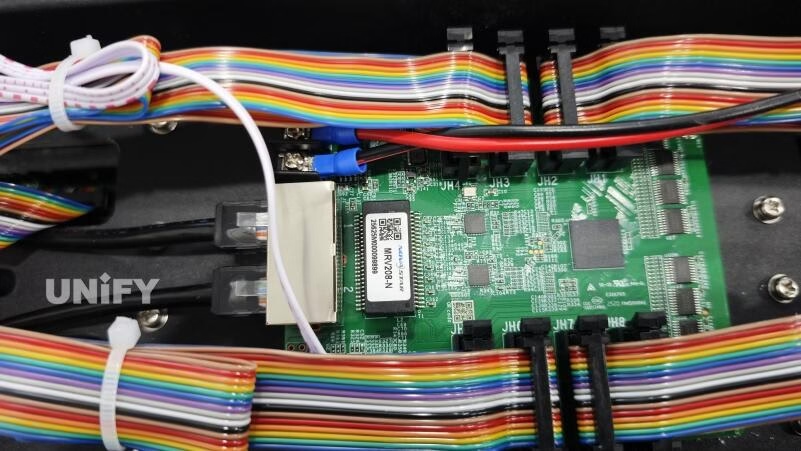
The R series adopts front and back dual maintenance design, and the module, power supply, and control card can be disassembled and assembled from the front or back.
With magnetic suction + quick-release structure, the maintenance response time can be compressed to a few minutes, ensuring the stability of the site to the greatest extent.
The stage environment is changeable, especially for outdoor projects, and it is also necessary to deal with complex environments such as rain, wind and sand, and high temperature.
The R series supports IP43\~IP65 level protection configuration.
Whether it is a theater performance, an open-air flash mob, or a grass electronic music festival, it can adapt to the venue conditions and operate stably.
Different stage spaces and viewing distances have different requirements for pixel pitch.
The smaller the pixel pitch, the more delicate the picture, but the higher the cost; when viewing from a distance, medium pixel pitch is a more cost-effective choice.
The R series provides P2.6, P2.9, P3.9, P4.8 and other specifications.
From close-range studios to large outdoor stages, you can find matching solutions.
Reasonable selection, not blindly stacking parameters, is the professional configuration that truly understands the stage.
Whether it is a concert, a brand launch, or a theater tour, stage LED screen has long become the visual core of modern performances. So, what is the price of a stage screen?
The answer is: there is no unified standard, and the price will fluctuate according to multiple factors. The following are several key points that commonly affect the cost:
the smaller the pixel pitch, the higher the price. Common stage screens include P2.6, P2.9, P3.9, P4.8 and other models. The denser the pixels and the clearer the picture, the higher the cost. High-resolution LED wall for events is more suitable for close-up viewing scenes.
high brightness + high refresh rate is standard. The stage lighting is complex, and the screen must support at least 4500nit+ brightness and 3840Hz refresh rate to avoid screen flickering and meet the needs of synchronous camera.
Rental type is more expensive but more flexible
Stage rental screens usually adopt lightweight design, support quick installation and disassembly,
Suitable for touring or temporary activities, complex structure, slightly higher price than fixed installation screens.
Indoor screens are cheaper, outdoor screens need protection
Outdoor use needs to consider waterproof, dustproof, windproof, IP65 level protection standard,
This type of outdoor LED screen for stage material and construction costs will be higher.
Synchronous playback, remote control, multi-screen switching functions will also affect the overall budget.
At the same time, high-quality after-sales (such as fast maintenance, module replacement) is also a hidden cost worth considering
Compared with fixed installation, rental stage LED display screens are more suitable for short-term performances, multi-location tours, rapid deployment and other project requirements. It has the characteristics of light structure, fast splicing, and efficient assembly and disassembly, which greatly saves manpower and time costs.
As a product specially designed for rental scenarios, the R series has been professionally optimized in terms of installation efficiency, transportation convenience, and screen stability. Quick assembly and disassembly, front and rear maintenance, and flexible splicing structure enable it to easily cope with various complex stage designs and frequent scheduling.
For stage companies, event contractors, and performance equipment integrators, choosing a highly adaptable and reliable rental LED screen system is not only to improve efficiency, but also the key to ensuring the smooth completion of each performance.
There is no exit button for stage presentation. Choosing a stable and reliable LED screen is the best guarantee for the on-site effect.
The R series has been widely used in many large-scale performances and stage projects with its efficient installation, high-definition picture quality and strong adaptability.
If you are looking for a high-performance, high-efficiency stage LED solution suitable for multi-scene rental and engineering integration,
Welcome to visit our LED screen factory and learn more about the quality and craftsmanship of the R series.
Contact us to start the professional construction of the next visual feast.
Your trusted partner for professional LED display solutions. UnifyLED delivers high-quality screens tailored to your project needs. Contact us today to bring your vision to life.
legidatechled@gmail.com
+86-185-69492693
2nd Industrial Park, NanGang, Nanshan District, Shenzhen, GuangDong Province, China.
Order LED Screen? Please feel free to contact us at any time, and we will respond to you within 24 hours.