
Contact us
- Home
- »
- LED Screen Buying Guides
- »
- Jumbotron Screen Guide: Buying & Rental Cost Analysis 2026
The Ultimate Guide to Jumbotron Screen: Specs, Uses & Costs
In the modern event industry, a jumbotron screen is the undisputed king of visual engagement. Whether broadcasting a live touchdown to thousands of fans or displaying high-definition visuals at a music festival, these massive displays create an immersive experience that standard projectors simply cannot match.
However, purchasing or renting a jumbotron video screen involves navigating a maze of opaque pricing and confusing technical jargon. Buyers often struggle to determine if they need a P3 or P10 pixel pitch, or if their budget allows for a permanent installation versus a temporary rental.
This guide eliminates the guesswork. We break down the actual jumbotron screen cost structures, analyze the critical differences between indoor and outdoor specifications, and reveal expert strategies for sourcing high-quality screens directly from manufacturers to maximize your investment.
Table of Contents
1. What is a Jumbotron Screen?
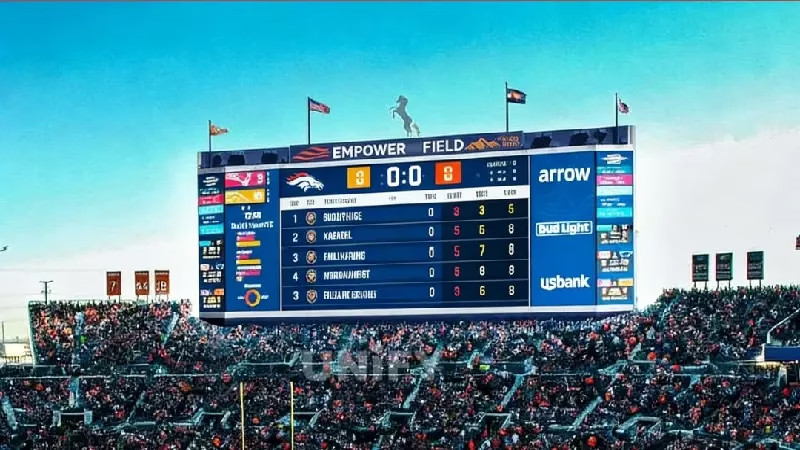
A jumbotron screen (also known as a jumbotron video screen) is a large-format display technology typically found in stadiums and concert venues. Unlike standard TVs, these screens use modular LED panels to create a seamless image of any size or shape.
The "Sony" Myth
Originally, “JumboTron” was a trademark owned by Sony in the 1980s. Although Sony stopped manufacturing them in 2001, the name became a generic term for any massive display. Today, whether you are watching a jumbotron screen football replay or setting up an outdoor jumbotron movie screen, you are actually looking at modern LED Video Wall technology, not the bulky tubes of the past.
Modern Tech & Versatility
Modern screens differ significantly from their predecessors. They are lighter, brighter, and energy-efficient.
Commercial Use: From jumbotron screen rentals for festivals to permanent installations, the modular design allows for unlimited jumbotron screen size.
Residential Trends: With the decreasing jumbotron screen cost, some enthusiasts are now installing a jumbotron screen for home. A popular trend for sports fans is the 4 screen jumbotron for home setup, allowing them to watch multiple games simultaneously.
Comparison: Old CRT vs. Modern LED
Understanding the tech evolution helps justify the jumbotron screen price when looking for a jumbotron screen for sale.
| Feature | Old Jumbotron (CRT) | Modern LED Jumbotron Screen |
| Technology | Vacuum Tube (Heavy/Hot) | SMD LED (Lightweight/Cool) |
| Brightness | Faded in sunlight | 5000+ Nits (Daylight Readable) |
| Resolution | Low / Pixelated | High Definition (4K Ready) |
| Energy | High Consumption | Energy Efficient |
(Note: This shift to LED is why modern jumbotron screen rentals are much easier to transport and install than the vintage versions.)
2. Why Choose a Jumbotron Screen Over Projectors?
When planning an event or upgrading a venue, the biggest debate is often between a traditional projector and a jumbotron video screen. While projectors used to be the standard, modern LED technology has made them obsolete in many scenarios. Here is why investing in a jumbotron screen is the superior choice.
The "Sunlight" Factor: Unmatched Brightness
The biggest pain point with projectors is ambient light. If you are hosting a daytime event or an outdoor jumbotron screen football watch party, a projector simply cannot compete with the sun. The image will look washed out and unreadable.
In contrast, an outdoor jumbotron screen typically outputs over 5,000 Nits of brightness. This ensures that your content remains crisp and vibrant even under direct sunlight. Whether it is for a commercial advertisement or a backyard jumbotron movie screen, LED technology guarantees visibility 24/7.
Modularity: Limitless Jumbotron Screen Size
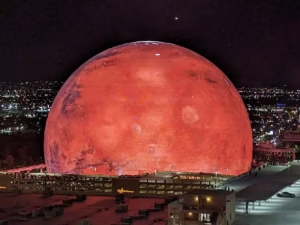
Projectors are limited to specific aspect ratios and throw distances. A giant LED screen, however, is modular—built like LEGO blocks. This allows you to create any shape or jumbotron screen size imaginable without worrying about shadows or projection angles. In fact, this modular flexibility is exactly how engineers built the Top 15 Biggest LED Screens in the World, creating massive displays that span entire stadiums.
This flexibility is a game-changer for custom setups. You can build a massive curved display for a stage, or for sports enthusiasts, create a specialized 4 screen jumbotron for home. This “quad-split” setup lets you watch four different live feeds simultaneously, something a standard projector setup struggles to achieve.
Lifespan & Long-Term Value
When comparing the initial sticker price, a projector might seem cheaper than a jumbotron screen for sale. However, the long-term jumbotron screen cost is often lower.
Projectors: Bulbs dim quickly and need expensive replacements every 2,000–5,000 hours.
Jumbotron Screens: The LEDs are rated for 100,000 hours of use (approx. 11 years of continuous operation).
When you factor in maintenance and performance, the jumbotron screen price delivers a better ROI. Whether you are looking at short-term jumbotron screen rentals or a permanent jumbotron screen for home, the durability of LED technology makes it the smarter investment.
3. Rent vs. Buy: Which Jumbotron Screen Strategy is Right for You?
Deciding between a temporary solution and a permanent investment is the most critical step in your planning process. The right choice depends heavily on your usage frequency and your long-term budget. Here is how to analyze the jumbotron screen cost versus the convenience of renting.
When to Choose Jumbotron Screen Rentals
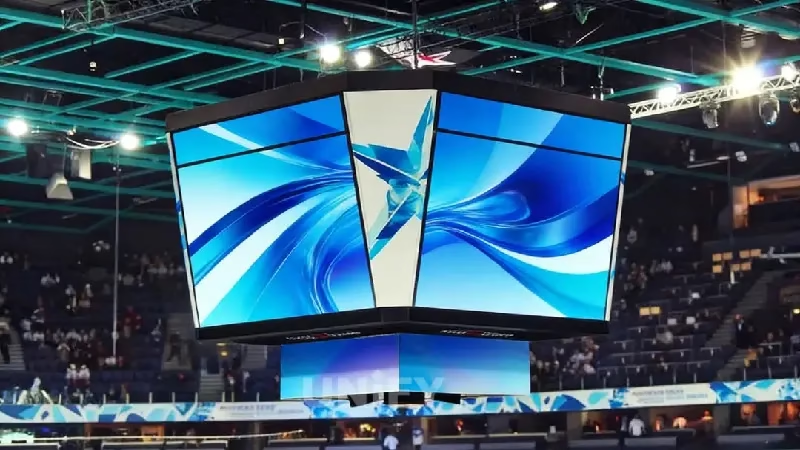
If you need a display for a short period (1–3 days), jumbotron screen rentals are almost always the smarter financial choice. This option is ideal for organizers who need high-impact visuals without the burden of storage and maintenance.
Best Scenarios for Renting:
Music Festivals & Concerts: Large-scale jumbotron video screen setups for stage backdrops.
Sporting Events & Marathons: Temporary live-feed displays for the finish line.
Community Movie Nights: Setting up a pop-up jumbotron movie screen in a park.
Temporary Fan Zones: Watching a jumbotron screen football broadcast for a specific playoff game.
Pro Tip: One major advantage of renting is the “Turnkey Service.” Rental companies typically handle the heavy lifting, including transportation, structural rigging, and teardown. This saves you from hiring a separate technical crew.
When to Look for a Jumbotron Screen for Sale

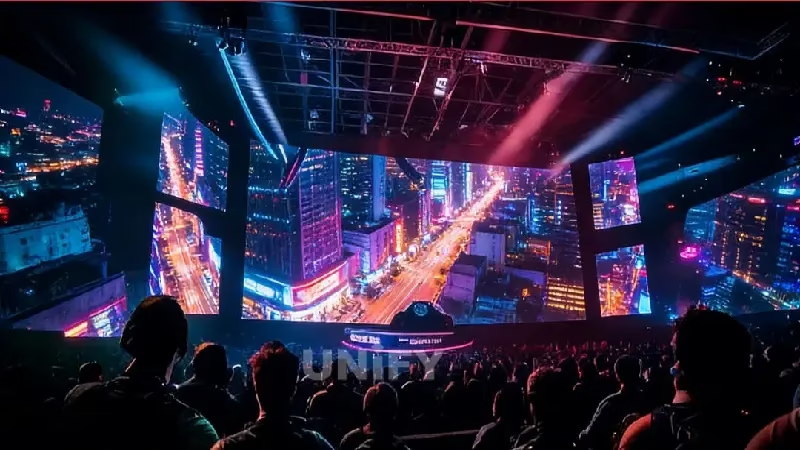
If the screen is going to be a permanent fixture, looking for a jumbotron screen for sale is the better long-term strategy. Ownership gives you total control over content and scheduling without recurring rental fees.
Best Scenarios for Buying:
-
Houses of Worship: Permanent installation for weekly services and lyrics. For large-scale outdoor worship services, a mobile jumbotron screen is the best way to reach thousands. See our specific Church LED Screen Solutions for more details.
-
School Stadiums: Scoreboards and replay screens for varsity games.
-
Digital Billboards: Generating advertising revenue 24/7.
-
Residential Luxury: Installing a jumbotron screen for home or a dedicated 4 screen jumbotron for home in a mancave to watch multiple sports channels at once.
The Breakeven Calculation
How do you know when the jumbotron screen price justifies the purchase? Use this simple expert formula to make your decision:
The “40% Rule” or “15-Use Rule”:
Frequency: If you plan to use the screen more than 15 times per year, buying is usually cheaper than renting repeatedly.
Cost Ratio: If your cumulative rental quotes for a single season exceed 40% of the hardware purchase price, you should buy.
For example, if a rental costs $5,000 per event and a permanent jumbotron screen size of the same quality costs $50,000 to buy, renting 10 times already covers the hardware cost. In this case, ownership is the clear winner for ROI.
4. How Much Does a Jumbotron Screen Cost?
One of the most frustrating parts of the industry is the lack of transparent pricing. Most websites hide behind a “Request a Quote” button. To help you budget effectively, we have compiled a realistic guide to jumbotron screen price ranges, covering everything from temporary rentals to permanent installations.
Rental Cost Estimates: Short-Term Solutions
If you aren’t ready to commit to ownership, jumbotron screen rentals are the standard choice for events. Prices vary based on location and season, but here are the industry averages:
Mobile Jumbotron (Trailer Unit): $3,000 – $6,000 per day.
These are pre-mounted on trucks or trailers. They are perfect for a pop-up jumbotron movie screen at a park or a quick setup for a marathon finish line.
Modular Video Wall (Custom Build): $10,000+ per event.
Because these require a crew to build the jumbotron screen size to your exact specs (often flown from trusses), labor costs drive the price up. This is the go-to standard for large concert stages.
Purchase Price Breakdown: Permanent Installations
When looking for a jumbotron screen for sale, pricing is typically calculated per square meter (sqm). The finer the detail (Pixel Pitch), the higher the cost.
Indoor Jumbotron Screen (P2.5 – P3.9): Approx. $800 – $1,200 per sqm.
These high-resolution screens are ideal for churches or a luxury jumbotron screen for home theater.
Outdoor Jumbotron Screen (P6 – P10): Approx. $1,000 – $1,800 per sqm.
These are built to be waterproof (IP65) and ultra-bright. If you are building a commercial billboard or a stadium-grade jumbotron screen football display, expect to pay a premium for durability.
(Note: The total jumbotron screen cost will multiply these figures by your desired total surface area.)
The Hidden Costs
Many buyers make the mistake of only budgeting for the panels. However, a functional jumbotron video screen system requires more than just the LED modules. Do not overlook these additional expenses:
Video Processor ($500 – $5,000): You need a controller to send the signal. If you want a complex setup, like a 4 screen jumbotron for home (quad-view for watching multiple sports), you will need a high-end processor capable of multi-window scaling.
Spare Modules (5% Rule): Always budget for 5% extra spare parts. If a pixel dies in 3 years, you need a batch-matched replacement to ensure color consistency.
Shipping & Import Taxes (25%+): If you import directly, tariffs and freight can add 25-30% to the hardware price.
Installation Structure: Whether it’s a concrete foundation or a steel beam, the physical structure to hold the weight is often as expensive as the screen itself.
By understanding these figures, you can determine if the final jumbotron screen price fits your budget before you start calling suppliers.
5. How to Choose the Right Jumbotron Screen Specs?
When browsing through a catalog for a jumbotron screen for sale, the list of technical acronyms can be overwhelming. However, getting three specific specifications right—Pixel Pitch, Brightness, and IP Rating—is the difference between a stunning visual experience and a pixelated, washed-out disappointment.
Pixel Pitch (Resolution): The Clarity Factor
Pixel pitch refers to the distance (in millimeters) between the center of one LED pixel and the center of the next. It is the single most important factor in determining image sharpness and the appropriate jumbotron screen size for your venue.
The Golden Rule of Viewing Distance:
To choose the right pitch, use this simple expert formula:
Pixel Pitch (P-Value) x 1 Meter = Optimal Minimum Viewing Distance.
P1.5 – P2.5 (Close Viewing): Essential for a jumbotron screen for home or a corporate lobby where viewers are standing just a few feet away. If you are building a custom 4 screen jumbotron for home to watch multiple sports feeds, a tight pixel pitch ensures the text remains readable.
P6 – P10 (Long Distance): Standard for a large stadium or outdoor festival. Since the audience is far away, the pixels can be further apart without the image looking “grainy.” This also helps keep the jumbotron screen cost down, as lower density is cheaper.
Brightness (Nits): Indoor vs. Outdoor Requirements
Brightness is measured in “Nits.” Choosing the wrong brightness is the most common mistake buyers make, rendering their jumbotron video screen invisible during the day.
Indoor Specs (800 – 1,000 Nits):
Standard indoor environments do not need excessive brightness. In fact, if a screen is too bright indoors, it causes eye strain.Outdoor Specs (4,500+ Nits):
This is non-negotiable. An outdoor jumbotron movie screen or advertising board must compete with the sun. You need at least 4,500 Nits, though 6,000+ Nits is recommended for areas with direct sunlight.Scenario: Imagine hosting a backyard jumbotron screen football party at noon. If your screen is only 3,000 Nits, the image will look black. High brightness ensures your game is visible rain or shine.
IP Rating (Weatherproof): Protecting Your Investment
If your screen is going outside, durability is just as important as the jumbotron screen price. You must look for an Ingress Protection (IP) rating, specifically IP65.
IP65 Explanation: The “6” means the screen is completely dust-tight, and the “5” means it is protected against low-pressure water jets from any direction (i.e., heavy rain).
Front vs. Rear: High-quality outdoor screens typically feature IP65 on the front (exposed to weather) and IP54 on the rear.
Whether you are looking for short-term jumbotron screen rentals or a permanent installation, never compromise on this rating for outdoor use. A non-waterproof screen might save money initially, but a single rainstorm will destroy the electronics.
6. How to Handle Jumbotron Screen Installation and Safety?
When you find a great jumbotron screen for sale or lock in a rental deal, the excitement often overshadows the logistics. However, installing a jumbotron video screen is a major engineering feat. Unlike hanging a flat-screen TV, setting up these giants involves serious weight and industrial power. Ignoring safety protocols can lead to catastrophic failure.
Weight & Structure: The Heavy Reality
The most underestimated aspect of a jumbotron screen size is its sheer mass. A standard outdoor LED wall measuring just 20 square meters (approx. 215 sq. ft) can easily weigh over 1 ton (2,200 lbs).
Structural Integrity: Whether you are setting up a permanent jumbotron screen for home in a large backyard or a commercial display, you cannot simply bolt it to a standard wall.
Wind Load: For outdoor setups, like a jumbotron screen football viewing party, the screen acts like a giant sail. A gust of wind can topple an improperly secured screen.
Expert Requirement: Always require a certified structural engineer to sign off on the rigging points. If you are looking at jumbotron screen rentals, ensure the provider supplies a ballasted structure rated for local wind speeds.
Power Consumption: Feeding the Beast
A common misconception regarding the total jumbotron screen cost is ignoring the electricity bill and infrastructure. These screens are “power hogs.”
3-Phase Power: A massive jumbotron movie screen usually requires 3-Phase Power (industrial voltage). It cannot run on a standard residential 110V/220V outlet.
Distribution Box: You will need a dedicated Power Distribution Box (“Distro”) to regulate the current.
Home Considerations: Even for a smaller, custom 4 screen jumbotron for home setup (“Man Cave” style), you may need an electrician to install dedicated 20-amp circuits to prevent tripping your breaker box.
Installation Styles: Ground Support vs. Flown
When you inquire about jumbotron screen price, the quote often changes based on how you want to mount it. There are two primary methods:
Flown (Hanging):
The screen is suspended from a truss system or ceiling motors.
Best for: Concerts and stadiums where floor space is premium.
Note: This requires chain hoists and rigorous rigging safety checks.
Ground Support (Stacked):
The screen sits on a base structure on the floor or stage.
Best for: Outdoor festivals or temporary jumbotron screen rentals where hanging isn’t an option.
Note: It requires heavy counterweights (ballasts) behind the screen to prevent tipping.
Safety First: Never attempt to install a commercial-grade jumbotron screen yourself. The money you save on DIY installation is not worth the risk of equipment damage or injury.
7. Where to Source a Jumbotron Screen: Local AV vs. Direct from China
Once you have decided on the specs and budget, the final hurdle is finding the right supplier. Whether you are looking for a jumbotron screen for sale or a temporary rental, the market is divided into two main channels: local integrators and direct manufacturers in China (specifically Shenzhen). Understanding the difference can save you thousands of dollars—or save you from a logistical nightmare.
Local AV Integrators
Buying or renting from a local company in the US or Europe is the safest option for most users. While the initial jumbotron screen price will be higher (due to import duties, overhead, and profit margins), you are paying for service and reliability.
Pros:
Instant Support: If a module fails during your jumbotron screen football watch party, a local tech can drive over and fix it immediately.
Turnkey Service: They handle everything from the jumbotron screen size calculation to the physical installation and electrical wiring.
Warranty: Dealing with a local warranty is far easier than shipping parts back overseas.
Best For:
Jumbotron screen rentals for short-term events (weddings, festivals).
Residential clients installing a jumbotron screen for home who do not want to touch a screwdriver.
Direct from China
Almost all LED screens are manufactured in Shenzhen, China. By bypassing the middleman and buying direct, the raw jumbotron screen cost can drop by 30% to 40%. However, this route is not for the faint of heart.
Pros:
Massive Savings: You get wholesale pricing.
Customization: Factories can build highly specific configurations, such as a custom-shaped jumbotron video screen or a unique curved display.
Cons:
Logistics: You must handle shipping, customs clearance, and import tariffs (which can be substantial).
Remote Support: If you have technical issues, support is often via WhatsApp in a different time zone. You are essentially on your own for repairs.
Best For:
Large venues buying a massive jumbotron movie screen where the 40% savings equals tens of thousands of dollars.
Tech-savvy businesses with an in-house engineering team.
Our Recommendation: Which Path Should You Take?
Go Local If: You are building a complex “Man Cave” setup, like a 4 screen jumbotron for home to watch multiple games. The complexity of the video processor and wiring usually requires a professional local installer to ensure it works perfectly.
Go Direct If: You are a business owner buying a simple outdoor billboard or a standard jumbotron screen for sale and have a trusted electrician who can handle the power requirements.
The Verdict: If you prioritize lowest price and have patience, go direct. If you prioritize reliability and immediate support, stick with a local provider.
8. FAQs
Jumbotron screens are energy-intensive. On average, a modern outdoor LED screen consumes about 300W to 800W per square meter depending on brightness settings. For large installations, you will almost certainly need 3-Phase Power and a dedicated electrical circuit to handle the load safely.
Yes, but only if rated correctly. An outdoor jumbotron screen must have an IP65 rating (or higher). This ensures the front is sealed against rain and dust. However, indoor screens (usually IP20) cannot handle moisture. If you are setting up a jumbotron screen football party in the backyard, always verify the IP rating first.
Technically, "JumboTron" was a brand name owned by Sony for their old CRT-based displays. Today, the industry term is LED Video Wall. However, most people still use "Jumbotron" to describe any massive jumbotron video screen. They are functionally the same thing in modern conversation—a large, modular display made of LED panels.
On average, jumbotron screen rentals cost between $3,000 and $6,000 per day for a mobile trailer unit. Larger custom modular walls start at $10,000+. Prices vary based on location, jumbotron screen size, and rental duration.
A high-quality jumbotron video screen typically has a lifespan of 100,000 hours, which is about 11 years of continuous usage. Regular maintenance, such as replacing power supplies and keeping the jumbotron screen clean, is essential for longevity.
9. Summary
Investing in a jumbotron screen is more than just buying electronics; it’s about creating an unforgettable visual experience. Whether you are broadcasting a championship game on a jumbotron screen football display or setting up a high-end jumbotron screen for home, the success of your project comes down to three final takeaways.
The 3 Keys to Success
Before you sign that check or approve a rental quote, ensure you have checked these three boxes:
Define the Environment: Do not use an indoor screen outside. If you are planning an outdoor jumbotron movie screen event, ensure you have 4,500+ Nits of brightness and IP65 weatherproofing.
Calculate the Viewing Distance: Don’t overspend on resolution you don’t need. Use the “Pixel Pitch” rule. A P10 screen is perfect for a stadium, while a P2.5 is essential for a sharp jumbotron video screen in a church or lobby.
Budget for the Invisible: The jumbotron screen price is just the tip of the iceberg. Always set aside an extra 20% of your budget for structural engineering, power distribution, and spare modules.
Are you looking for a premium jumbotron screen for sale but want to avoid the high markups of local middlemen?
At UNIFYLED, we are a leading LED screen factory that bridges the gap between factory-direct pricing and professional quality. Whether you need a massive outdoor display or a custom 4 screen jumbotron for home setup, we provide:
Factory-Direct Costs: Save significantly on your total jumbotron screen cost.
Global Shipping: We handle the logistics to get the screen to your door.
Expert Support: Technical guidance from the people who actually build the screens.
- Explore our full range of Fixed LED Display Series to find the right hardware for your jumbotron project.
Contact UNIFYLED Today for a Free Quote – Let us help you find the perfect jumbotron screen size and spec for your project, or check out our Jumbotron vs. Modular LED Video Wall Guide to see why modular LED walls might offer higher ROI and better visual impact for your venue.
10. Related
-
The Ultimate Giant LED Display Analysis: Price, Rental & Engineering
Explore the 2026 giant led display guide. Compare giant led screen cost, price, and rental ROI. From panels to advertising, get factory-direct insights from UnifyLED.
-
Top 15 Biggest LED Screens & Jumbotron Displays in the World
Updated 2026 Ranking: The 15 Biggest LED Screens & Jumbotrons on Earth. Plus, a deep dive into Common Cathode tech, GOB protection, and stadium display costs.